

Step up to the plate
Plate rolling parameters and the part CNC plays.
Contrary to popular belief, material thickness is only one factor in selecting the proper plate rolling machine capacity as well as the most effective process parameters. In addition to size, a plate’s material composition along with tensile and yield strength play equally critical roles in the decision-making process.
Tensile and yield are essentially how hard a material is. Yield strength means how much a material will bend when forces are applied, and tensile is the breaking point of the material.
The higher the yield, the tougher the material and more strength/power needed to roll it.
With that said, a mild steel like A36 with a yield strength of 40 ksi to 48 ksi for instance, will roll a lot easier than would stainless steel or AR plate that is harder with a yield strength of 90 ksi to 120 ksi.
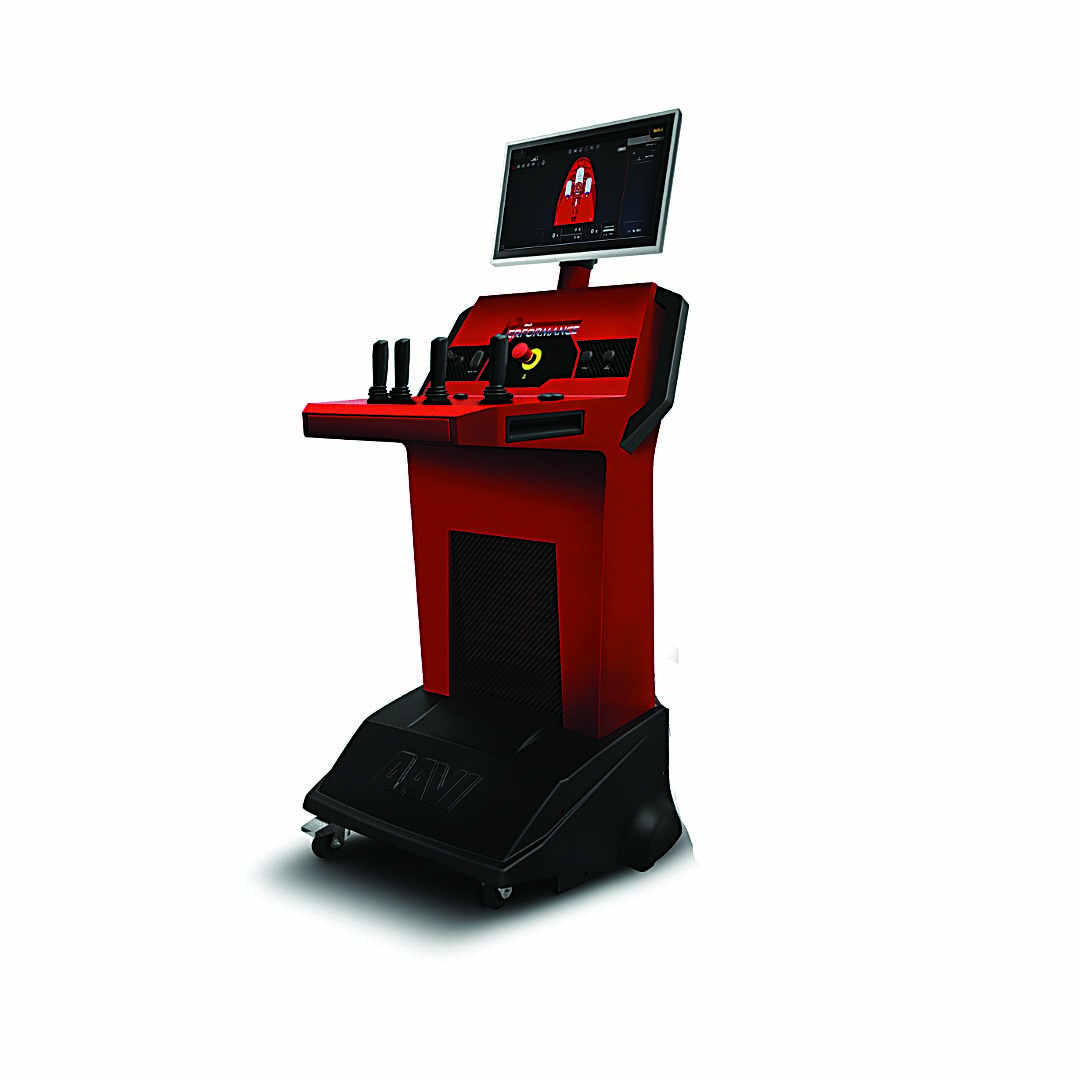
Davi’s two higher-end plate rolling machine CNCs – the iRoll eXtreme and iRoll Performance – contain internal material libraries, and once a material is selected, the control already knows the material’s characteristics. Image courtesy of Davi Inc.
When it comes to determining proper rolling parameters, today’s plate rolling machine CNC controls make it easier based on the material being processed. For instance, these advanced machine controls will prompt operators to enter four key pieces of data. Those are type of material (yield and tensile strength), thickness, width and desired rolling diameter. From this, the CNC calculates the program along with presets for the required pressure and side rolls movement – how far they need to rise to achieve a certain radius along with all other necessary parameters.
Prior to CNCs, the plate rolling process required extremely skilled and experienced operators with an understanding of metallurgy along with some trial and error. When rolling a new and different material, these individuals would work out the best parameters, which took time, then manually record/list them in notebooks — or in their mind — for future reference.
Such material databases are now part of a machine’s control, which speeds the process immensely. For example, Davi’s two higher-end plate rolling machine CNCs – the iRoll eXtreme and iRoll Performance – contain internal material libraries, and once a material is selected, the control already knows the material’s characteristics.
These controls also allow shops to edit the material libraries, so they can further fine-tune the rolling process for their particular material types. This is especially helpful when material tensile and yield strength varies from batch to batch or from one supplier to the next.
Review the print ads from this magazine to continue
This quick advertiser review unlocks the rest of the article and keeps the full-screen reader focused on the ads instead of the page chrome.
Continue reading
June 2024
Related


 MFGAxis Discussion
Be part of the shop-floor conversation
Like, save, or comment on this CTE story.
MFGAxis Discussion
Be part of the shop-floor conversation
Like, save, or comment on this CTE story.


MFGAxis Discussion