

Technology alters the cutting world
CNC machines and programming have changed how cutting tools are made and maintained.
When I started my career in metalworking 28 years ago, machine shops were in a transformational period. Small shops still relied heavily on conventional machine tools and the skill of the craftspeople who ran them. But CNC machine tools were becoming affordable, and these shops quickly were adopting the technology.
Automation and productivity always have been the most significant attributes of CNC equipment, and they were the primary selling points in the early days. It was multi-axis interpolation, or the ability to drive a cutting tool through curves and angles, that became the foundation of the next series of technological advances. Machine tool builders realized that low-volume shops were an untapped market, so builders started looking for technologies that would be advantageous. Simplified programming was considered a feature that would allow machine tool builders to penetrate the small-shop market. Machine tool builders began introducing technologies like conversational controls and easy-to-use canned cycles, which made programming easier and allowed small shops to transition to CNC machine tools.
Advances in CNC programing also included affordable graphical CAM software that is now common at all types of machine shops. Before the advent of graphics-based CAM packages, programmers would write code by hand, copy and edit existing programs or use complex text-based CAM programs. Advancements in programming have significantly improved productivity and made the creation of complex geometries easy.
These changes in CNC technology profoundly impacted the way that cutting tools were manufactured and how tool and cutter grinding was performed.
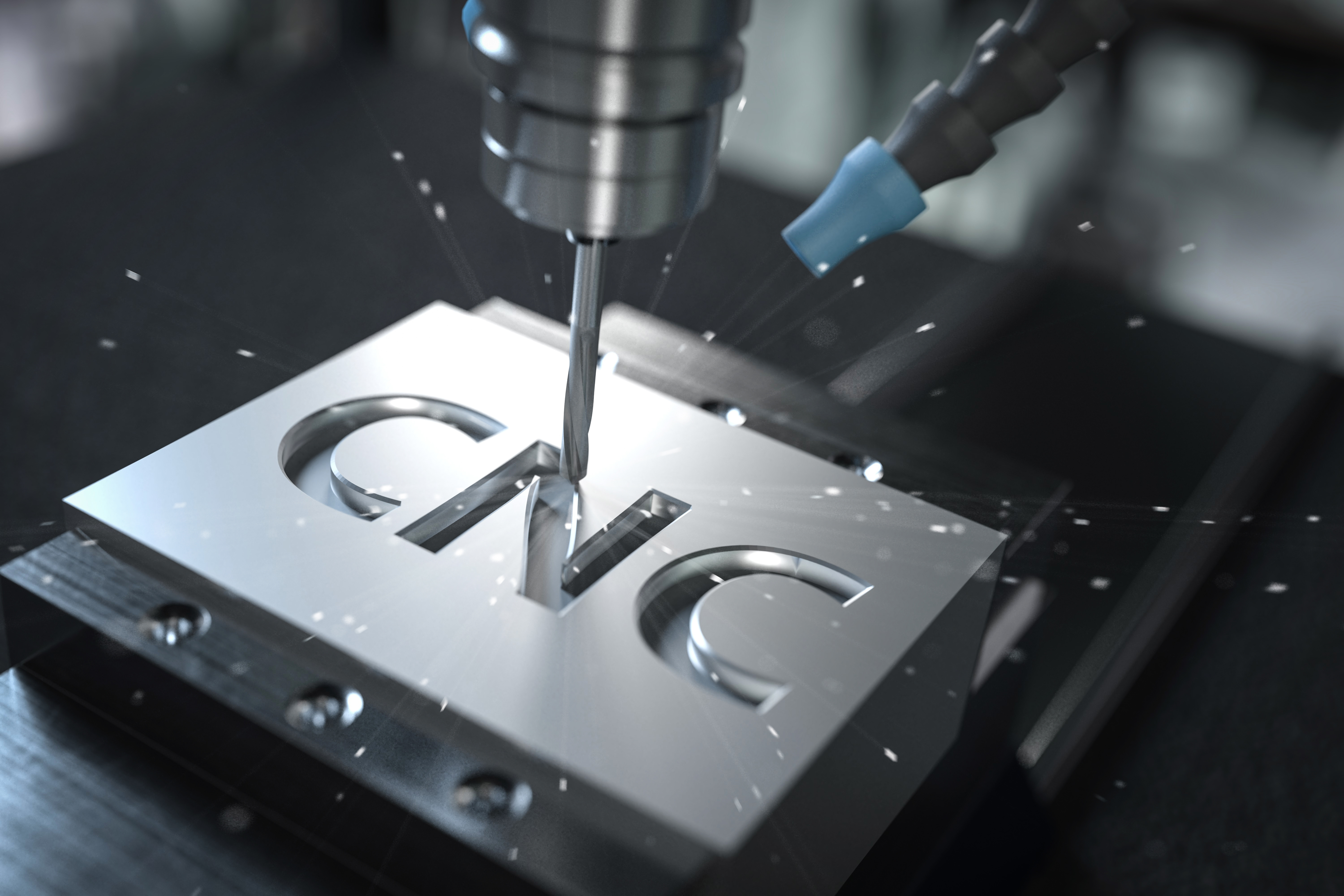
When I started programming in 1993, cutting tools were not much different from those of the 1960s. Tools and machines were designed to take deep, heavy, high-horsepower cuts, and complex geometries often were created using form tools. Before CNC machines, form tools were the standard method for creating complex geometries, so their use on the first CNC machines was a natural progression.
Using form tools to generate complex geometries was especially normal for large manufacturers, which frequently had rooms full of tool grinding equipment, along with teams of craftspeople to operate the machinery. Companies that did not make their own tools could easily find local shops that specialized in cutting tools.
Form tools have several benefits. The tools combine operations, reducing cycle times and the number of inputs needed at machines. Most importantly, form tools decrease opportunities for mistakes. But the tools can increase lead times for part introductions, inflate inventory costs and become obsolete with engineering changes.
Review the print ads from this magazine to continue
This quick advertiser review unlocks the rest of the article and keeps the full-screen reader focused on the ads instead of the page chrome.
Continue reading
August 2021
Related

 MFGAxis Discussion
Be part of the shop-floor conversation
Like, save, or comment on this CTE story.
MFGAxis Discussion
Be part of the shop-floor conversation
Like, save, or comment on this CTE story.


MFGAxis Discussion