
Threading tools for safety critical applications
Threading tools for safety critical applications
The Self-Lock Threading Tools Line from Emuge-Franken USA has been expanded to include additional Threads-All/AERO Thread Mills, including fourteen new 2 x D sizes from #5-40 to 1"-12, and offered for the first time, thirty 3 x D sizes ranging from #2-56 to 1"-12.
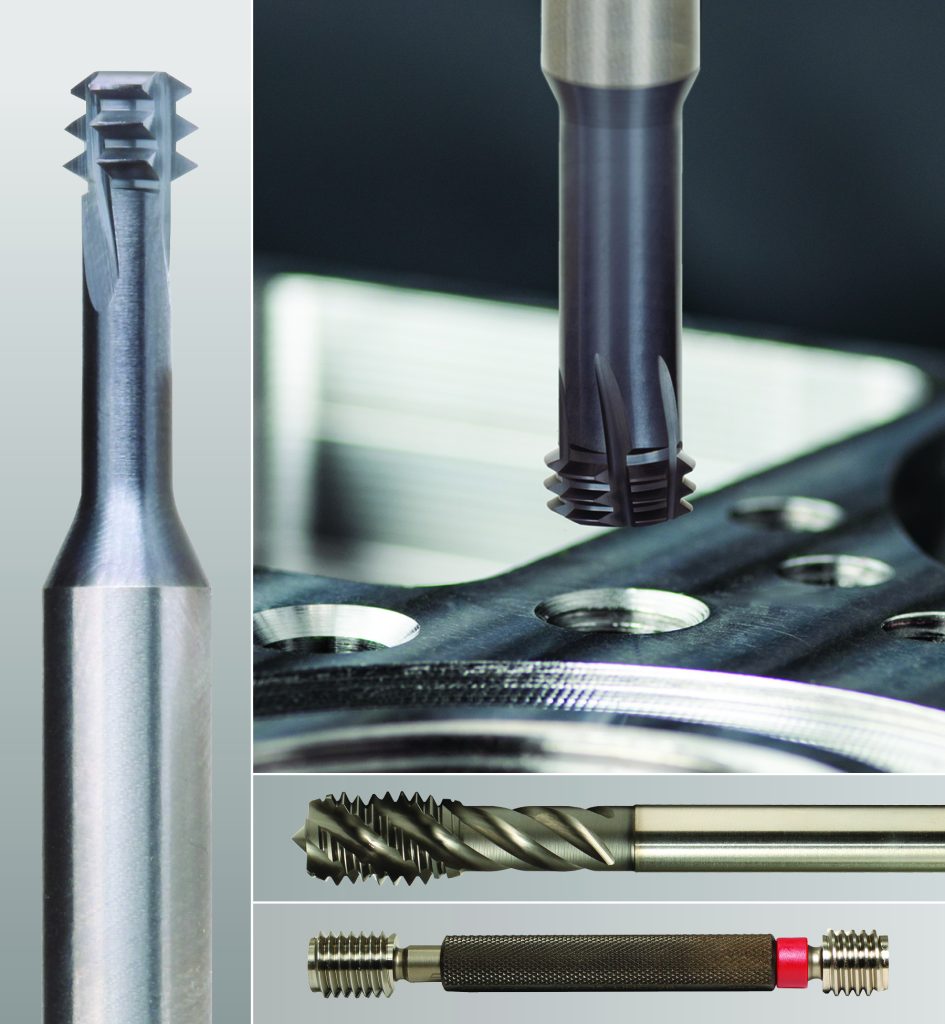
The Self-Lock Threading Tools Line from Emuge-Franken USA has been expanded to include additional Threads-All/AERO Thread Mills, including fourteen new 2 x D sizes from #5-40 to 1"-12, and offered for the first time, thirty 3 x D sizes ranging from #2-56 to 1"-12.
Also, the Emuge High Ramp Precision Thread Gages Line for gaging Emuge Self-Lock thread profiles has also been expanded.
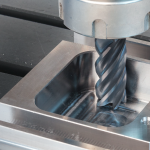
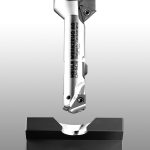
Emuge Threads-All / Aero Self-Lock Thread Mills feature helical flutes, multiple teeth and TIALN-T46 coating, producing self-locking threads that are ideal in demanding industry applications such as aerospace where nickel alloys, titanium and stainless steel are the norm. A unique design enables three tooth pitches to simultaneously rough and finish-cut threads, dramatically increasing tool life and reducing cycle times.
For high-stress situations, Self-Lock produces an internal thread that yields a self-locking screw connection that can be used repeatedly." The special profile of the Self-Lock thread allows an even distribution of stress over the entire thread length, eliminating slippage.
Other Emuge Self-Lock products include UNC and UNF Cut Taps, UNC and UNF Form Taps; Metric Cut Taps, Metric Form Taps and Metric Thread Mills, in addition to a full line of GO/ NO-GO Thread Gages.
To see the full range of EMUGE SELF-LOCK Threading Tools, visit https://info.emuge.com/self-lock.