

The basics of good tool management
Anyone who works in or around a machine shop knows that high-performance cutting tools are expensive. If the process of acquiring and using these tools is not managed properly, tool expenses can quickly and negatively impact the bottom line, whether you are operating a mom-and-pop shop or a major OEM.
Anyone who works in or around a machine shop knows that high-performance cutting tools are expensive. If the process of acquiring and using these tools is not managed properly, tool expenses can quickly and negatively impact the bottom line, whether you are operating a mom-and-pop shop or a major OEM.
Acquisition is the most obvious cost associated with high-performance cutting tools. However, many other costs are often overlooked. For example, the time it takes to change a worn or broken tool represents lost production. Some shops amortize the cost of tool changes into the price of a part, which helps improve the bottom line, but the time is lost for shops that do not amortize tool changes or cannot do it accurately.
Courtesy of All images courtesy C. Tate
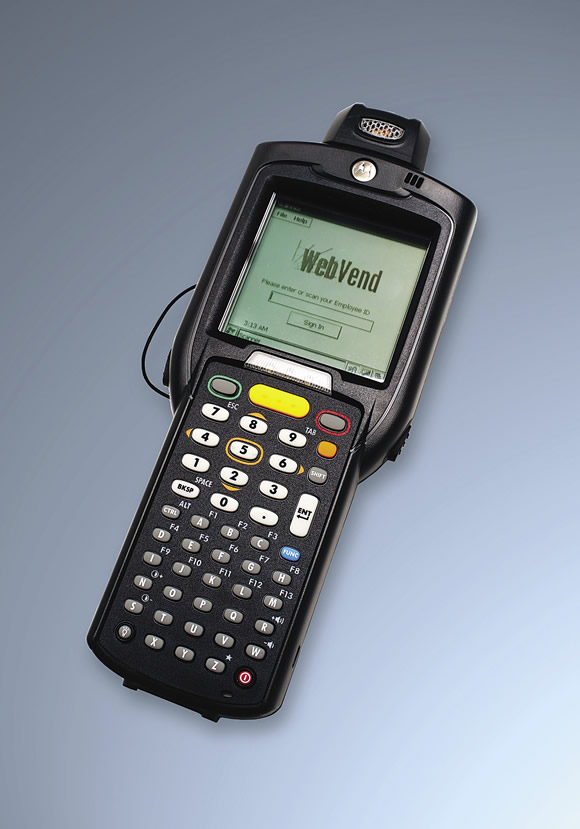
Bar code scanners can help reduce administrative costs by automating the tool acquisition process. In this type of system, the empty box is scanned to create a purchase order and the new box is scanned to receive the inventory, eliminating paperwork.
Also, failure to maintain proper tool inventory can waste time and increase shipping costs. Poor inventory control can also cause missed part deliveries. To combat the problem of tool outages, shops sometimes keep more tools than necessary, inflating inventory costs.
Unfortunately, some companies never consider the actual costs associated with each order they place. Each order incurs costs—the labor involved in contacting the vendor, issuing a purchase order, receiving the goods and paying the invoice. Effective tool management reduces these costs.
Time spent looking for tools is also lost production, so it’s important to efficiently store tools. In addition, secure storage helps prevent tool damage and damaged tools from being used in a machine, which can affect part production.
Reducing the need for changing cutting tools is a key part of the tool management process. Every cutting tool change requires an operator to interface with the machine tool control, often entering new cutter information. Each time information is entered into the control is an opportunity to make a potentially catastrophic mistake. All of the machine crashes I have witnessed—and participated in—were caused by data, such as tool length or diameter, being incorrectly entered.
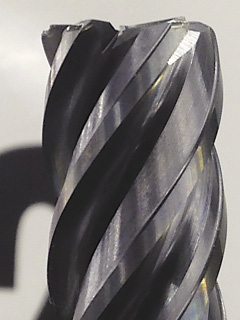
Conservation of the cutting edge is the cornerstone of a successful management program. Notice the chipped edges on this abused tool. This tool will require significant reconditioning and, in some shops, cannot be used again.
Therefore, conservation of the cutting edge is the cornerstone of an effective tool management program, because tool life is the most significant factor in tool cost. It is common practice to machine as fast as possible, but speed does not always improve cost. Going as fast as possible can cause premature tool wear and damage. Extending tool life without compromising efficiency is a delicate balancing act. Maximizing tool life also minimizes tool changes and, therefore, the opportunity for mistakes at the control.
Review the print ads from this magazine to continue
This quick advertiser review unlocks the rest of the article and keeps the full-screen reader focused on the ads instead of the page chrome.
Advertisers included in this article experience
Print placements connected to this article
Visit us at parlec.com
0 Contact [email protected] or call 1-800-866-5872 (TOOL USA) or call your local Parlec distributor.
Visit us at parlec.com 0 Contact [email protected] or call 1-800-866-5872 (TOOL USA) or call your local Parlec distributor.
Visit us at parlec.com 0 Contact [email protected] or call 1-800-866-5872 (TOOL USA) or call your local Parlec distributor.
Visit Visit us at parlec.com View this placement in the issue recordPrint ads from this magazine
Visit us at parlec.com 0 Contact [email protected] or call 1-800-866-5872 (TOOL USA) or call your local Parlec distributor.
Visit us at parlec.com 0 Contact [email protected] or call 1-800-866-5872 (TOOL USA) or call your local Parlec distributor.
Continue reading
January 2014
Proper use and reconditioning of cutting tools will provide the longest possible tool life. Partnering with a good tool grinding shop and setting up a reconditioning program can help operators recognize optimal wear points on cutting tools, which can maximize the number of regrinds on individual tools.
A strong tool management training program also helps extend tool life by preventing cutting tool abuse and enabling shop personnel to recognize wear patterns so they can better determine when replacement is necessary.
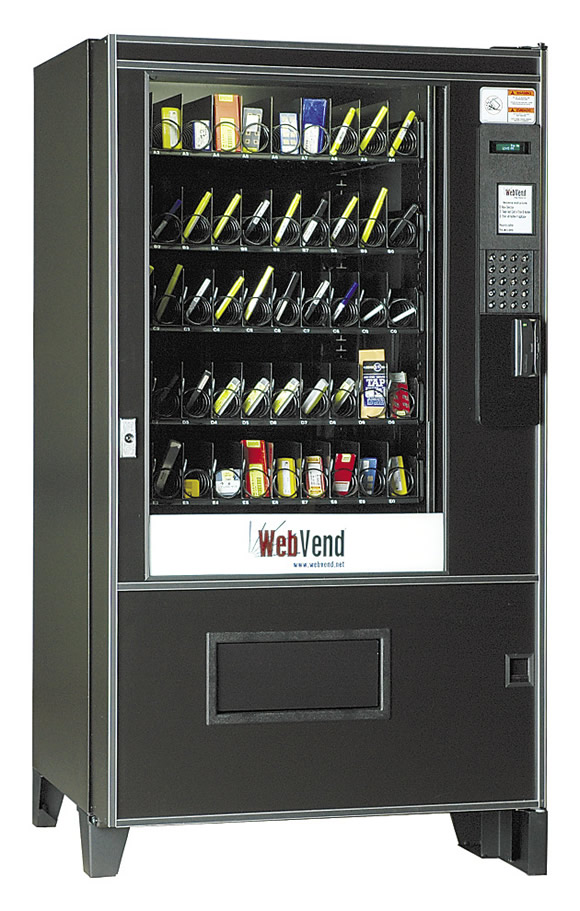
Vending machines are not just for the breakroom. They can be placed in the work area to allow immediate, controlled access to tools. Some machines are networked to the vendor and allow real-time inventory management.
In addition, effective tool management considers the storage, delivery and labeling of cutting tools. Proper storage helps drive efficiency into the management of tool inventory, reconditioning and distribution. A well-planned storage system minimizes lost production time by placing tools where they are easily accessed. Clear labeling of stored tools reduces the possibility applying the wrong tool. A related resource on cutting tools inspection system expands on this point.
Proper storage also lowers tool administrative costs, because tool condition is easy to assess and inventory is easy to monitor when tools are easy to find. Efficient shops know where each tool is located, how many are available for use, how many are being resharpened and how many have been discarded.
Large manufacturers have complex systems with computerized toolcribs and elaborate, networked distribution systems to automate replenishment. Others use less-sophisticated methods to trigger replenishment, such as visual management, or kanban in lean lingo. In many replenishment systems, the end user does not own the tool until it is issued to the user on the floor, thereby transferring the cost of inventory to the vendor.
Although often considered frivolous by some shops, data collection is a critical part of tool management. It provides insight into tool usage and helps drive improvements in machining techniques, tool application and inventory levels. Improvements in these areas all work together to boost profitability.
Cutting tool management has many interrelated elements. Understanding how all these elements influence the cost of doing business is critical to managing a successful shop. The best shops gather highly accurate tool usage information, have agile and efficient replenishment systems and realize the value of educating shop personnel about proper cutting tool handling and application. CTE
About the Author: Christopher Tate is senior advanced manufacturing engineering for Milwaukee Electric Tool Corp., Brookfield, Wis. He is based at the company’s manufacturing plant in Jackson, Miss. He has 19 years of experience in the metalworking industry and holds a Master of Science and Bachelor of Science from Mississippi State University. E-mail: chris23state@gmail.com.
Related


Subscribers can use MFGAxis notes, saves and discussion tools with their innoNET account.


