

What to do with workpiece rpm when burn occurs
The Grinding Doc finds a need for speed in cylindrical plunge grinding.
The Need for Speed
Dear Doc: I cylindrical plunge-grind carbide with diamond wheels and steel with CBN and Al2O3 wheels. There’s disagreement in the shop about what to do with the workpiece rpm when burn occurs. Some say speed it up. Some say slow it down. Which is correct?
The Doc replies: The typical philosophy for many grinders is “When something bad happens, slow things down.” When it comes to burn in cylindrical plunge grinding, this is absolutely wrong. Let’s look at the general trends.
Increasing the workpiece rpm leads to: lower workpiece temperature and lower risk of burning or cracking (almost always); more wheel wear (usually); rougher (higher Ra) surface finish (almost always, but often the change isn’t that large, and spark-out frequently negates it anyway); and increased risk of chatter (usually).
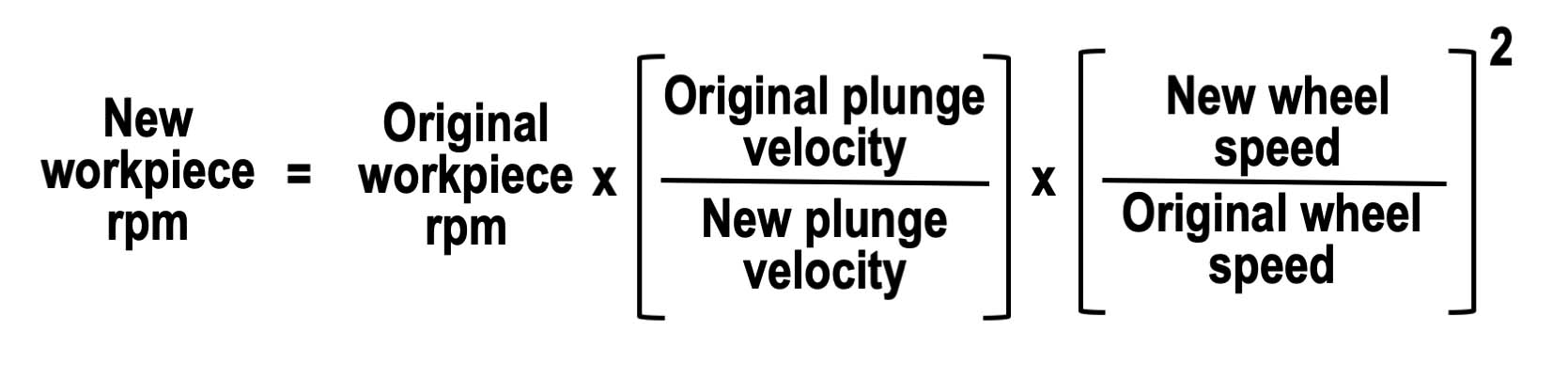
Conversely, decreasing the workpiece rpm leads to: higher workpiece temperature and greater risk of burning or cracking (almost always); less wheel wear (usually); smoother (lower Ra) surface finish (almost always, but often the improvement isn’t that large, and spark-out frequently negates it anyway); and decreased risk of chatter (usually).
Review the print ads from this magazine to continue
This quick advertiser review unlocks the rest of the article and keeps the full-screen reader focused on the ads instead of the page chrome.
Continue reading
December 2019
Related


 MFGAxis Discussion
Be part of the shop-floor conversation
Like, save, or comment on this CTE story.
MFGAxis Discussion
Be part of the shop-floor conversation
Like, save, or comment on this CTE story.


MFGAxis Discussion